Western Dog Mom Sublimation: A Designer’s Review
As a designer who spends more time looking at stitch density charts than social media feeds, I approach every new digital asset with a mix of curiosity and skepticism. When "Western Dog Mom Sublimation" landed in my inbox, I didn’t just see a graphic; I saw potential inventory for my small shop and a possible centerpiece for a client’s personalized gift order. The description promises easy-to-print, high-quality files for DIY projects, ranging from iron-on transfers to party decor. But for those of us working in Crafts and specifically in the realm of Graphics for embroidery, the real question is always: how does this translate when it hits the hoop?
I decided to put this design through its paces—not just by looking at the pixel-perfect preview, but by mentally mapping it out against real-world production scenarios. Here is my practical assessment of Western Dog Mom Sublimation as a viable asset for your next embroidery project.
First Impressions: Mood and Visual Personality
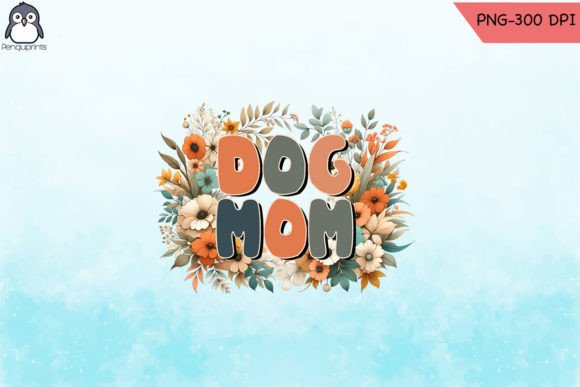
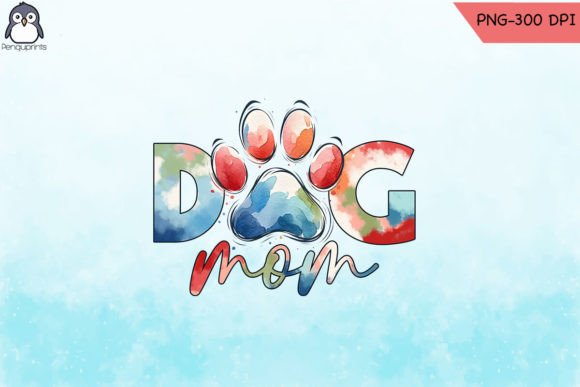
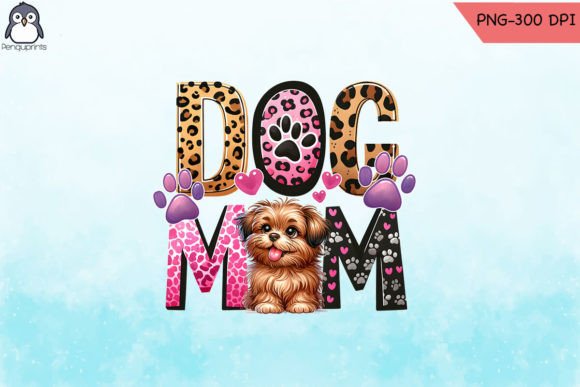
The immediate vibe of Western Dog Mom Sublimation is warm, rustic, and deeply relatable. It taps into a massive cultural niche without feeling cliché. For an embroidery designer, visual personality is everything because you are limited by the constraints of thread and fabric. This design strikes a balance between detailed enough to look professional and simple enough to stitch reliably.
The layout feels balanced, suggesting that whether you place this on a chest pocket or centered on a tote bag, it will hold its visual weight. It doesn’t scream for attention; rather, it invites the viewer in. This subtlety is crucial for handmade products where you want the craftsmanship to speak louder than the shoutiness of the graphic. It creates a mood of cozy authenticity, which is exactly what customers are buying when they purchase a personalized gift or a boutique item.
Real-World Application: Where This Design Shines
In my experience, not every digital file translates well to physical goods. Some designs lose their charm when rendered in thread. However, Western Dog Mom Sublimation seems engineered for versatility. Let’s look at how it performs in specific contexts.
- Custom Apparel and Sweatshirts: This design would look exceptional on a heavyweight cotton sweatshirt. The western theme pairs naturally with denim jackets or flannel shirts. As a machine embroidery design, it offers a great opportunity to use varied thread colors to create depth. Imagine a soft pastel background with contrasting thread colors for the accents—this adds a tactile element that prints simply cannot replicate.
- Tote Bag Design: Canvas totes are a staple for Etsy sellers and craft fair vendors. Using this as an embroidered patch or direct-to-garment style embroidery on a tote makes for a durable, premium product. Customers appreciate items that can withstand daily use, and a well-stitched design like this signals quality.
- Baby Embroidery and Nursery Decor: The gentle nature of the theme makes it suitable for baby clothes or nursery wall art. Framing a masterpiece using this graphic allows for a softer presentation, perhaps using cream or ivory threads to maintain a vintage aesthetic.
- Holiday Embroidery and Gifts: Whether it’s a Christmas stocking stuffer or a birthday gift for a dog lover, this design has broad appeal. It fits seamlessly into holiday embroidery collections where sentimentality drives sales.
For commercial embroidery projects, this asset serves as a strong foundation. It helps build brand consistency if you run a small business focused on pet-themed apparel. Buyers engage more with designs that reflect their identity, and "Dog Mom" is a powerful identifier. By offering this as part of your design assets, you are providing a service that resonates emotionally with your target audience.
Technical Considerations and Potential Pitfalls
While the design is promising, no embroidery file is perfect for every situation. An experienced reviewer must look at where things could go wrong. Western Dog Mom Sublimation requires careful planning depending on the substrate and execution method.
Small Hoop Sizes: If you plan to use this on smaller items, you need to check the scale. Tiny lettering or intricate details might become muddy if the hoop size restricts the resolution. Always test the design in black and white mockups to ensure contrast remains clear at smaller scales.
Fabric Texture and Stability: Textured fabrics like heavy tweed or loose-weave linen can distort fine lines. Similarly, thin or stretchy fabrics require robust stabilizer support to prevent puckering. If you are embroidering on a cap or another curved surface, the distortion of the curve can warp the western motifs, so proper tension adjustment is key.
Dense Stitch Areas: If the design relies heavily on fill stitch, be mindful of the total stitch count. Too much density on a single area can make the fabric stiff and uncomfortable, especially on custom apparel meant for daily wear. Inspect small details closely; if there are decorative accents that rely on satin stitch, ensure they won’t break under friction.
Dark Fabric Challenges: Embroidering on dark fabric often requires a cut-away stabilizer and potentially a backing layer to prevent show-through. Ensure your thread colors provide enough contrast against the base fabric. What looks vibrant on a screen might disappear on charcoal gray.
Practical Designer Notes for Execution
Before you commit this design to a finished product, follow these steps to ensure professional results:
- Test on Scrap Fabric: Never assume a digital file will behave perfectly. Stitch it out on the actual fabric type you intend to sell. Check how the thread colors interact with the material.
- Review Stitch Density: Look at the stitch density settings. If the design is too dense, consider simplifying certain areas or adjusting the underlay stitches to reduce bulk.
- Confirm Licensing: This is critical for any Etsy seller or small shop product creator. Verify whether the digital embroidery file includes commercial rights. You need to know if you can sell the finished product without legal issues.
- Check Stabilizer Needs: Different fabrics demand different stabilizers. For a tote bag design, tear-away might suffice, but for a sweatshirt embroidery, cut-away is likely necessary for longevity.
- Analyze Contrast: Print a grayscale version of the graphic. If the details blend together, the embroidery may lack clarity. Adjusting the color palette before digitizing can save hours of rework.
Final Verdict
Western Dog Mom Sublimation is a strong contender for anyone looking to expand their catalog of handmade products. It captures a specific lifestyle aesthetic that sells well, provided it is executed with technical care. It works beautifully as an applique design for added texture, or as a standard machine embroidery design for clean, crisp lines.
For the craft business owner, this file offers a low-risk, high-reward addition to your inventory. It appeals to a passionate demographic willing to pay for personalization. Just remember that the magic happens in the stitching, not just the pixels. Take the time to prep your fabric, choose the right stabilizer, and monitor your hoop size limitations. When done right, this design transforms from a simple graphic into a cherished keepsake, boosting customer trust and elevating your brand’s perceived value.
If you are ready to start creating, download the file, set up your machine, and bring this western-inspired charm to life. Your future customers—and their dogs—will thank you.