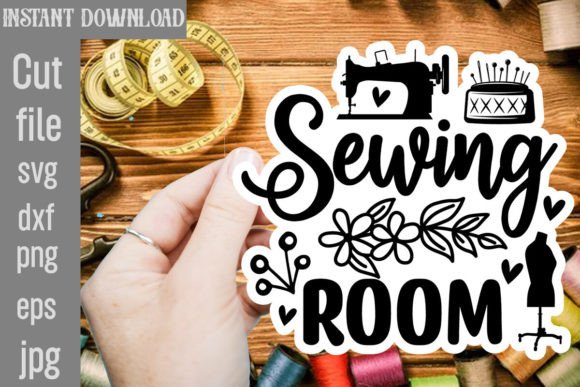
Sewing Room SVG Cut File: A Versatile Graphic for Crafts and Branding Projects
As a professional graphic designer, I often find myself sifting through design assets to see which ones can genuinely elevate a project. Recently, I came across the Sewing Room SVG Cut File, and after testing it in various real-world applications, I’m ready to share my insights. This digital asset is more than just another SVG file—it’s a carefully crafted visual element that adds warmth, creativity, and a touch of nostalgia to any design. Here's how it fits into different creative workflows and what you should consider before using it on client projects.
A Warm and Inviting Visual Foundation
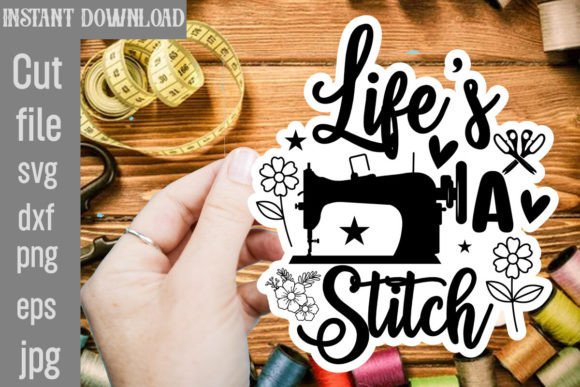
The first thing I noticed about the Sewing Room SVG Cut File was its aesthetic appeal. It features intricate details reminiscent of traditional sewing tools, fabric textures, and cozy studio elements like sewing machines, thread spools, and pincushions. The overall style is whimsical yet refined, making it ideal for brands or products with a handmade, vintage, or crafty vibe. As someone who works closely with small businesses and Etsy shops, this kind of illustration hits the sweet spot between charm and professionalism.
What stands out is how well it balances detail without overwhelming the eye. Unlike some clipart that feels cluttered or cartoonish, this SVG has clean lines and thoughtful layering, allowing it to blend seamlessly into both editorial and commercial design contexts. It creates an emotional connection—perfect for brands targeting women, DIY enthusiasts, or those looking to evoke a sense of craftsmanship and care.
Design Direction & Mood Enhancement
When designing for a handmade business or a seasonal campaign focused on home décor, this asset helps set the tone. Whether used as a background element, a border, or a central motif, it supports a cohesive visual identity centered around crafts and artisanal values. Its organic feel works especially well when paired with muted color palettes, watercolor textures, or soft gradients, enhancing the overall mood of a design.
Real-World Performance in Design Applications
I tested the Sewing Room SVG Cut File in several practical scenarios to gauge its effectiveness:
- Brand Identity: Added as a subtle border in a logo mockup, it gave the brand a warm, personal touch that resonated with the target audience of crafters and homesteaders.
- Product Labels: Used as part of a label design for a line of custom sewing kits, the SVG helped reinforce the product’s purpose and create instant visual recognition.
- Packaging Design: Incorporated into packaging mockups for a boutique sewing supply shop, the design elevated the perceived value and authenticity of the product line.
- Sticker and Merchandise Designs: Scaled down for use on stickers and tote bags, the SVG retained enough detail to remain visually engaging while maintaining clarity at smaller sizes.
- Editorial and Social Media Graphics: Placed behind text blocks in blog visuals and Instagram posts, it created a textured backdrop that added depth without distracting from the content.
- Print-on-Demand and Etsy Products: When used in Canva templates for mugs, wall art, and T-shirt designs, the SVG enhanced the “handmade” appeal of each item, aligning perfectly with niche market aesthetics.
Where It Shines
This graphic design asset performs exceptionally well in layouts where a decorative, thematic element can enhance the storytelling. Here are the areas where I found it most effective:
- Large Layout Areas: On posters, banners, or website headers, the SVG brings a rich, illustrative texture that anchors the design.
- Hero Graphics: For landing pages or campaign visuals targeting craft communities, it adds a strong visual hook.
- Themed Collections: In a curated line of sewing-related products or a seasonal holiday collection, the design ties everything together cohesively.
- Printable Wall Art and Stickers: The transparent PNG version is perfect for print-on-demand platforms, ensuring crisp edges and clear imagery.
- Creative Marketplace Listings: As a supporting illustration in digital bundles or as a standalone design, it enhances the perceived quality and attention to detail.
Use with Caution in These Contexts
While the Sewing Room SVG Cut File is highly adaptable, there are certain scenarios where it might not be the best fit:
- Minimalist Branding: If your client’s visual identity leans toward modern, sleek, or corporate styles, this SVG could clash unless used very subtly.
- Small Sizes: When scaled too small (e.g., for micro-illustrations on tags or icons), the fine details may become unreadable or lose their impact.
- Complex Backgrounds: Overlapping patterns or high-contrast elements can make the SVG harder to distinguish. Always test it against your chosen background.
- Low-Contrast Layouts: The SVG contains a lot of tonal variation, so using it in grayscale or black-and-white compositions requires careful adjustment to maintain visibility.
Impact on Readability and Visual Hierarchy
Incorporating this SVG design into a layout means being mindful of visual hierarchy. Because of its detailed nature, it can easily become a focal point if not balanced properly. In marketing materials or social media posts, I recommend using it as a secondary element to support the main message rather than overpower it.
However, in editorial design or themed campaigns, the SVG can serve as a strong anchor. When placed strategically—like in the corner of a flyer or as a repeating pattern in a brochure—it enhances the overall experience without interfering with legibility.
Emotional Appeal and Audience Engagement
One of the strongest aspects of this design is its emotional resonance. It speaks directly to audiences who appreciate crafts and domestic creativity. For a local event promoting a sewing workshop or a product launch for a new line of quilting supplies, the Sewing Room SVG Cut File adds a level of relatability and charm that flat, generic illustrations simply don’t achieve.
It also contributes to brand consistency by reinforcing the theme across multiple touchpoints—social media posts, packaging, labels, and even blog headers. The visual trust it builds comes from its authenticity and attention to detail, which are key factors in creating a recognizable and trustworthy brand presence.
Practical Designer Notes
Before integrating the Sewing Room SVG Cut File into a client project, here are some things I suggest verifying:
- Test in Black and White: Evaluate how the design holds up in monochrome settings. Adjust colors or contrast accordingly if needed.
- Check Contrast on Light and Dark Backgrounds: Ensure the design remains visible and aesthetically pleasing regardless of the background color.
- Preview at Small and Large Sizes: Confirm that it maintains clarity whether displayed on a sticker or a large poster.
- Place on Real Mockups: Use it on actual product mockups to see how it translates in real-life scenarios, such as T-shirt prints or signage.
- Test Print Quality: Especially important for physical merchandise, verify that the PNG file at 300 DPI produces sharp results.
- Review File Formats: You get SVG, DXF, EPS, and PNG files—ideal for working with Cricut, Silhouette, and other design software. Each format should be checked for accuracy and scalability.
- Inspect PNG Transparency: The transparent PNG is well-crafted, but always double-check for unwanted white pixels or artifacts, especially when overlaying it on images or gradients.
- Check SVG or Vector Editability: Open the SVG in Adobe Illustrator or similar software to confirm that layers are organized and editable, which is crucial for customization.
- Compare with Different Fonts: Pair it with serif fonts for a classic look, sans-serif for a cleaner feel, or script/handwritten fonts for maximum cohesion with the handcrafted theme.
- Confirm Commercial Licensing: Always ensure the design is appropriately licensed for use in branding, packaging, and resale products like t-shirts or mugs. Many SVG files require attribution or restrict commercial use unless specified otherwise.
Commercial Design Asset Considerations
For designers offering commercial design services, the Sewing Room SVG Cut File is a valuable addition to your toolkit. It allows for quick implementation in client projects, especially those related to graphics for crafts, home goods, or hobby-based businesses. As part of a design bundle, it can help fill gaps in visual variety, adding unique accents to otherwise standard templates.
If you're working with a print-on-demand seller, this asset is particularly useful. The inclusion of vector formats (SVG, DXF, EPS) ensures clean scaling, while the PNG provides a reliable fallback for preview images or web-based displays. Just remember that the more detailed the design, the more precise the printing process needs to be.
Why It Works for Creative Projects
There’s something undeniably appealing about the Sewing Room SVG Cut File that makes it stand out among generic clipart and stock illustrations. It doesn’t just add decoration—it tells a story. That’s why it’s so effective in creative design for handmade businesses and lifestyle brands. It communicates passion, dedication, and a love for the craft, all of which are essential for building an emotional connection with customers.
Its adaptability across formats also gives designers peace of mind. Whether you're editing in vector software for precise adjustments or placing it in a Canva template for a quick social post, the asset delivers consistent quality. And for those using Cricut or Silhouette for physical product mockups, the SVG and DXF files are optimized for accurate cutting and printing.
Final Thoughts for Designers
In summary, the Sewing Room SVG Cut File is a well-rounded graphic design asset that brings personality and thematic richness to a wide range of projects. From packaging design to digital ads, it has the potential to make your work feel more intentional and polished.
That said, it’s not a one-size-fits-all solution. Before using it in a professional context, take the time to understand your client’s brand voice and the specific requirements of the project. Does it need to be subtle or bold? Will it sit beside text or act as a standalone image?
With proper consideration and application, the Sewing Room SVG Cut File can be a powerful tool in your creative arsenal—especially when aiming to connect with audiences who value tradition, individuality, and the beauty of small business branding.